
GO AND KNOW – SCHEDULE A MAMMOGRAM

In Hawai‘i, breast cancer is the most commonly diagnosed cancer in women. Over 90% survive when their breast cancer is found early.1 A mammogram can find breast cancer early, when it’s easier to treat.
Go and know. Schedule your mammogram today.
Take Action!
- Breast cancer screening starts at age 40.
- Click on your health insurer to schedule a mammogram:
Aloha Care
HMAA
HMSA
Kaiser Permanente
- Uninsured and unable to pay? Find out if you are eligible for a FREE mammogram.
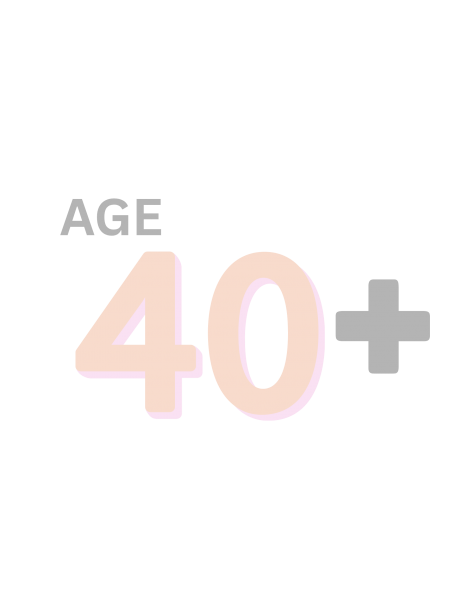
The U.S. Preventive Services Task Force recommends that women aged 40 to 74 years get a mammogram every two years.
What is a a mammogram?
A mammogram is an x-ray picture of the breast to check for early signs of breast cancer in people who do not have symptoms. For many women, this test is the best way to find breast cancer early, when it is easier to treat.
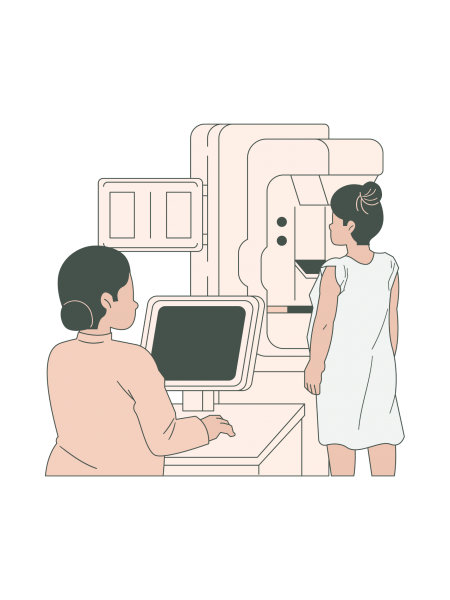
What to Expect?
During a mammogram, you will be asked to stand in front of an x-ray machine. Your breast will be placed between two plates which will compress the breast and hold it still while the images are taken. The procedure will be repeated on the other breast.
Facts
- During a mammogram, the breast compression only lasts about 10 to 15 seconds for each image.2
- Only about 2 to 4 screening mammograms in 1,000 lead to a diagnosis of breast cancer.2
- Women can develop breast cancer even without family history of this disease. About 5% to 10% of breast cancers are hereditary.3
- The dose of radiation used for a screening mammogram of both breasts is about the same amount of radiation a woman would get from her natural surroundings over about 7 weeks.4 Learn more here.

Signs and Symptoms
Breast cancer does not always cause symptoms. This makes screening even more important. Regular mammograms can find breast cancer early, sometimes up to 3 years before it can be felt.5
Talk to your doctor if you notice unusual changes, including:
- New lump in the breast or underarm (armpit)
- Thickening or swelling of part of the breast
- Irritation or dimpling of breast skin
- Redness or flaky skin in the nipple area or the breast
- Pulling in of the nipple or pain in the nipple area
- Nipple discharge other than breast milk, including blood
- Any change in the size or shape of the breast
- Pain in any area of the breast
Partners
References
- National Cancer Institute. Breast Cancer Prognosis and Survival Rates. Posted December 2, 2025. Accessed June 19, 2026.(Breast Cancer |NCI)
- American Cancer Society. Tips for Getting a Mammogram. Revised January 14, 2022. Accessed June 22, 2026. (ACS)
- Centers for Disease Control and Prevention. Hereditary Breast and Ovarian Cancer. August 28, 2024. Accessed June 22, 2026. (What Causes Hereditary Breast and Ovarian Cancers | CDC)
- American Cancer Society. Mammogram Basics. Revised January 14, 2022. Accessed June 19,2026. (ACS)
- Centers for Disease Control and Prevention. About mammograms. September 11, 2024. Accessed June 22, 2026. (Breast Cancer | CDC)